Toaster Triage: A Practical Repair Café Circuit for Dacorum
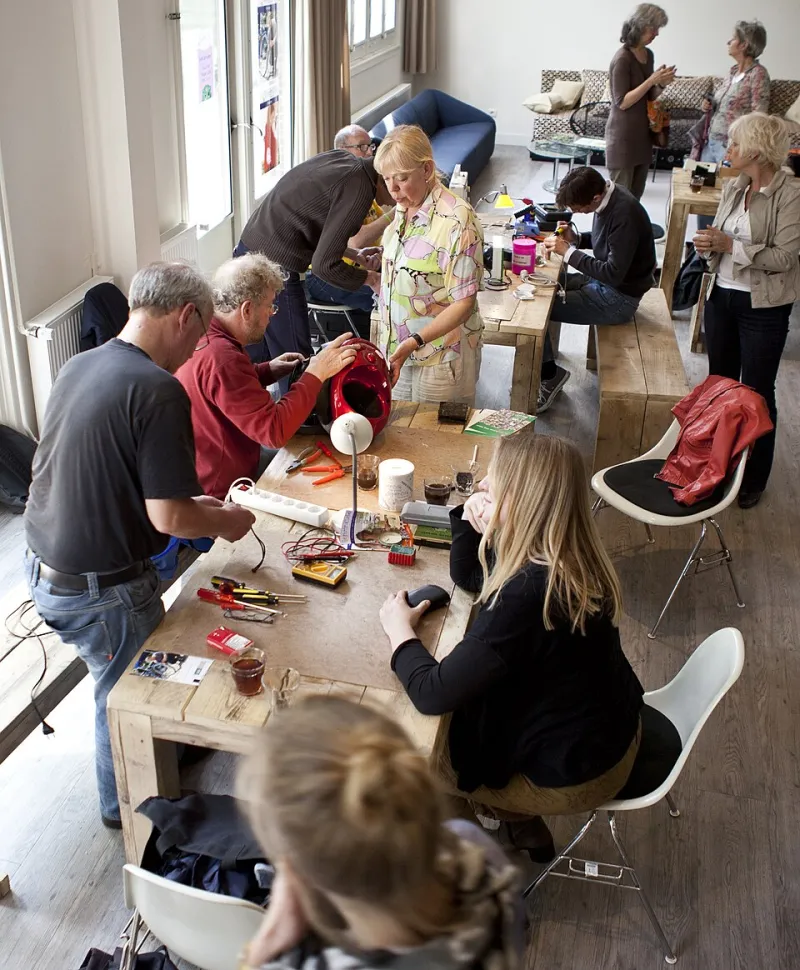
Photo: Ilvy Njiokiktjien, CC BY-SA 3.0, via Wikimedia Commons
As of 10 November 2026, the winter repair-café season is quietly getting going across Dacorum. These are not shops. They are community sessions where volunteers with tools, patience and a good deal of electrical know-how try to rescue things that would otherwise go to the tip. The mood is closer to a village hall coffee morning than a service counter, and that is exactly why it works.
If you have a toaster that trips the fuse, a lamp with a loose connection or a favourite toy missing a wheel, this is your sort of morning out. You turn up, you explain the problem, and someone has a look while you wait. Sometimes it is a five-minute fix. Sometimes it is a diagnosis and a honest chat about whether a replacement part is worth it. Either way, you leave knowing more than you did before.
Why a repair café beats a trip to the tip
There is the obvious environmental case: fewer small electricals in landfill, fewer raw materials used, less packaging on a new thing that may not last as long as the old one. But the local case is just as strong. A repair café is one of the few places where you can sit with a stranger who knows how a 1970s lamp works and come away with a working lamp and a recommendation for a decent local electrician.
It is also a genuinely good Saturday morning. You get a brew, you overhear three unrelated conversations about fuse boxes, sewing machines and bicycle brakes, and you learn that the thing you were about to throw away was probably fixable all along. For families, it is a low-cost outing with a bit of quiet purpose. For anyone new to the area, it is a shortcut to the sort of local knowledge that never makes it onto a council website.
The Dacorum circuit
Repair cafés in Dacorum tend to run monthly or every few weeks rather than weekly, and dates move around. The reliable approach is to check the latest listings on Dacorum What's On before you load the car. That said, the pattern across the area is fairly consistent.
Hemel Hempstead
Hemel sessions usually pop up in church halls and community centres, with a mix of electricals, textiles, small furniture and bike checks. Some months lean heavily towards small appliances; others have a strong sewing table. If you have a kettle, a lamp, a radio or a toy that needs a look, this is the place to start. Book if the listing asks you to. Walk-ins are often welcome, but a booked slot saves you standing around with a broken hoover.
Berkhamsted
Berkhamsted's sessions have a useful habit of attracting people who really know their stuff on older electricals and household bits. The town also makes a good morning of it: you can drop in, get the item looked at, then take a wander up the High Street or grab a coffee while you wait. If you are bringing something bulky, check the venue access before you set off. Some halls have steps and narrow doors, which is fine for a toaster and less fine for a standard lamp.
Tring
Tring's repair sessions tend to feel like a proper community event, with a steady stream of people bringing in small electricals, clothes and bits of furniture. The volunteer menders are not there to lecture you. They will show you what has failed, explain whether it is a fuse, a wire, a worn part or something more serious, and tell you honestly if it is not worth fixing. That honesty is worth the trip on its own.
Villages and smaller sessions
Kings Langley, Bovingdon, Chipperfield and Potten End occasionally host smaller fix-it sessions in village halls and church rooms. These are less regular and often focused on textiles, small electricals and bicycles. They are worth watching for if you live nearby, particularly if you have a few things that need looking at rather than one big item. A village-hall repair morning is also a good excuse to support the hall's tea urn.
What they will and will not fix
Most repair cafés in the area will have a go at small electricals such as toasters, kettles, lamps, radios, toys, hair dryers and small fans. Many also cover textiles, clothing repairs, jewellery, small furniture, bicycles and tool sharpening. Some can help with basic laptop or software issues, though that varies by session.
What they will not do is take on anything unsafe or outside their volunteers' competence. Microwaves are often excluded because of the high-voltage risks. Gas appliances are a no. Anything that needs a qualified electrician, a specialist part or a proper workshop may get advice rather than a fix. That is not a failure. It is how a volunteer-led session stays safe and useful.
How to book and what to bring
Booking varies by event. Some repair cafés use online booking for electrical items and accept walk-ins for textiles. Others are first-come, first-served on the day. Read the listing carefully and book if it asks you to. Slots are usually per item, not per person, so if you have two broken things, check whether you need two bookings.
Bring the item, and bring anything that helps it work: the power lead, the plug, the battery, the missing part, the manual if you have it. For clothing, bring it clean. For bikes, bring the bike rather than a photo of the bike. For laptops, bring the charger and make sure you have a backup and a password you are happy to use. If the item needs a replacement part, the mender may be able to tell you exactly what to order and how to fit it.
Expect to stay with your item. This is not a drop-off repair shop. The point is that you see what is happening, ask questions and leave better equipped to deal with the next fault. A donation is usually welcome, but the fix itself is rarely a fixed fee. These sessions are run by volunteers, not a call-out service.
Make a morning of it
A repair café works best when you do not treat it like a quick errand. Give yourself an hour. Take a book. Have a coffee. If you are in Hemel, pair it with a wander around the Old Town. In Berkhamsted or Tring, there is usually a decent bakery or market within walking distance. If you have children with you, the wait is often the interesting bit: they can watch a mender take the back off a kettle and see how a simple switch works.
And if the item cannot be saved, ask what to do with it. Many sessions will point you towards the right recycling route rather than the general bin. That is the other quiet benefit of a repair café: it makes the whole life cycle of a household object a bit less mysterious.
The bottom line
Repair cafés are not a magic wand. They will not save everything, and they are not a replacement for proper appliance servicing. But for the small stuff that clutters the garage and nags at you every time you open a cupboard, they are a genuinely useful local resource. This winter, before you bin the broken thing, give it a Saturday morning. Check the Dacorum What's On listings for the next session near you, book a slot if you need one, and bring the plug.