Rainy-Day Refuges: A Branch-by-Branch Guide to Dacorum's Libraries
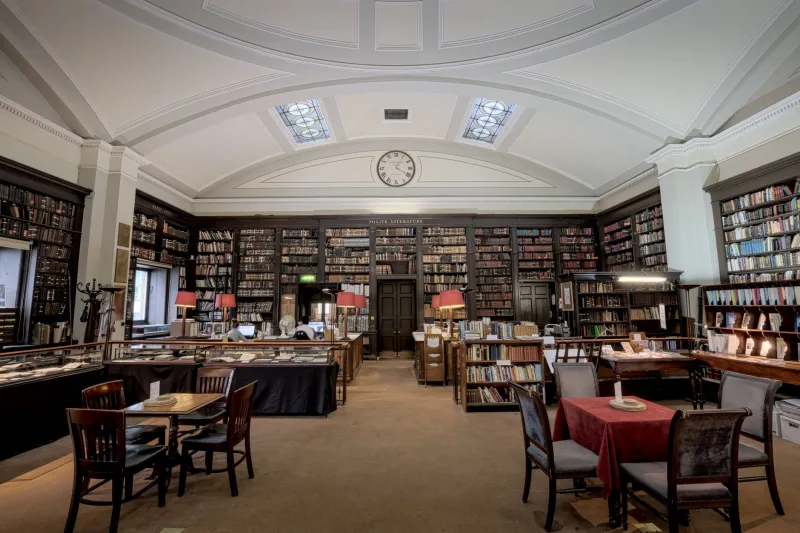
There is a particular kind of November week in Dacorum where the forecast is just a grey smudge and every plan you make outdoors comes with a backup plan. That's where the library comes in. Not as a solemn, shushing place you feel you ought to visit, but as a genuinely useful free hour — or nine, if you string a few branches together.
This isn't a list of every book in Hertfordshire. It's a practical tour of the branches that work as drop-in refuges when the rain settles in: Hemel Hempstead, Berkhamsted, Tring, Kings Langley and the smaller community libraries doing quietly brilliant work in the villages. Opening hours move around, sessions fill up, and the odd room gets taken over for a craft morning — so treat this as a starting point and check the library finder on Hertfordshire County Council's website before you set off.
Start with the big one: Hemel Hempstead
The Forum in Hemel is the obvious anchor. It's warm, it's central, and it has the widest spread of stuff going on under one roof. If you're working remotely and need a desk for an hour, the quiet corners here are more reliable than a chain coffee shop — and nobody minds if you buy exactly nothing. Bring headphones and a laptop; the Wi-Fi is free, the printing is self-service and the charges are the usual modest per-page rates rather than hotel-business-centre money.
Rhyme times for the under-fives are the big draw, and they are usually free — but they are also the sessions most likely to need a ticket or a quick booking, especially in the run-up to Christmas. Don't assume you can rock up at 10.15am and squeeze in. Check the day before. The same goes for any half-term craft table: drop-in in theory, chaotic in practice.
Berkhamsted: the commuter-friendly stop
Berkhamsted Library on Kings Road is a good one for a mixed-age group. There's a steady rhythm of baby and toddler sessions, plus the kind of seating that makes it easy to park a pram and a grandparent at the same time. It's also a sensible stop if you're killing an hour before a train — close enough to the station to be useful, far enough from the high street to feel calmer.
Coffee mornings here and at the smaller branches are less of a formal event and more of a rolling excuse to sit down. If you're new to the area, or you've just retired and your week has gone a bit quiet, this is the low-effort version of joining something. No membership, no awkward name badges. Just a brew and a table.
Tring: market-town quiet
Tring's branch is the one to choose when you actually want to read. It has that proper library feeling — shelves you can get lost in, a local-history section worth a browse, and enough space that you don't feel you're sitting in someone else's conversation. The board-game afternoons and puzzle tables that pop up at branches across Dacorum work well here too, particularly for older kids who've aged out of rhyme time but aren't quite ready for a full afternoon of shopping with mum.
Printing and photocopying are available, and if you're wrestling with a council form or a return label, the staff are used to it. That sounds like a small thing. It isn't, on a wet Tuesday.
Kings Langley and the village rooms
Kings Langley Community Library is the model for what a small branch can do: run by people who clearly want it to exist, with a mix of borrowing, coffee, jigsaws and one-off talks. The village libraries — Bovingdon, Chipperfield and the like — are even more dependent on volunteers and their hours can be tighter. Some open only a few mornings or afternoons a week. That's not a reason to skip them; it's a reason to check first and then make a proper trip of it.
These smaller rooms are where the 'not just books' idea really lands. You might find a knit-and-natter group, a local-history chat, a children's craft morning or a second-hand book sale. You might also find it shut because the volunteer rota is thin. Ring ahead. Nobody minds.
The stuff that isn't books
A library card in Hertfordshire gets you more than hardbacks. You can borrow e-books and audiobooks, read newspapers and magazines online, and often access reference sites that would otherwise want a subscription. In branch, the practical offer is just as useful: free Wi-Fi, public computers, printing, scanning, photocopying, and a toilet you don't have to buy a coffee to use.
Then there's the social side. Rhyme times, storytimes, Lego clubs, board-game afternoons, coffee mornings, craft sessions, homework help and quiet reading groups all turn up on the calendar depending on the branch. Some are drop-in. Some are ticketed. Some are term-time only. The rule of thumb: baby and toddler sessions almost always need booking; coffee mornings and jigsaw tables usually don't.
Booking, hours and the small print
Opening hours vary more than you'd expect. The big branches have long days and weekend hours; the community libraries may be open three or four half-days a week. Don't rely on the sign on the door from your last visit in 2019. Check online or ring the branch.
If you're planning a work session, ask whether there's a quiet room or a designated silent area — some branches have them, some just have a quieter end. If you're bringing a group, ring first. If you want to print something long, bring a card or change for the machine, and check the per-page price before you send 40 pages of a Christmas newsletter.
A suggested wet-Thursday route
Start at Hemel Hempstead for a rhyme time or a work hour, depending on who's with you. Move on to Berkhamsted for a coffee and a browse if you're heading that way by train. Finish at one of the village libraries if it's open — not because you need another book, but because a warm room with a jigsaw on the table is a perfectly good way to spend a wet afternoon in Dacorum.
The library passport isn't a real document. It's just a way of reminding yourself that the free option is often the better one in November. Nine hours across a week is easy to find once you stop thinking of the library as a place you only go to borrow something.